I use multiple evidence-based approaches and adapt therapy to meet each client’s unique needs and goals.
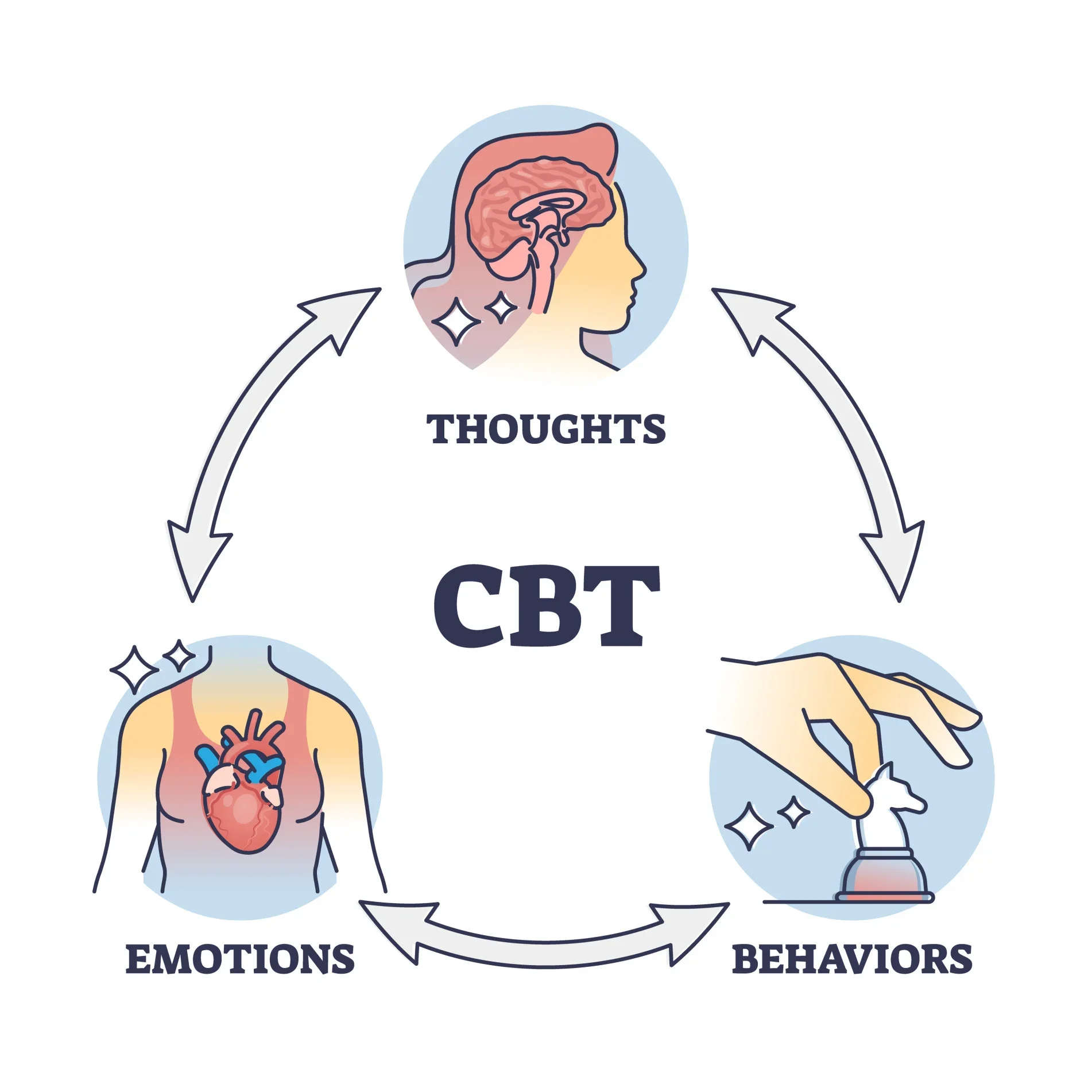
Cognitive Behavioural Therapy (CBT)
CBT focuses on identifying and changing unhelpful thought patterns and behaviours that contribute to emotional distress. It is a structured, evidence-based approach that helps clients develop practical coping skills and healthier ways of responding to life’s challenges.
Common areas supported:
Anxiety, depression, trauma recovery, stress, self-criticism, chronic pain, adjustment after accidents
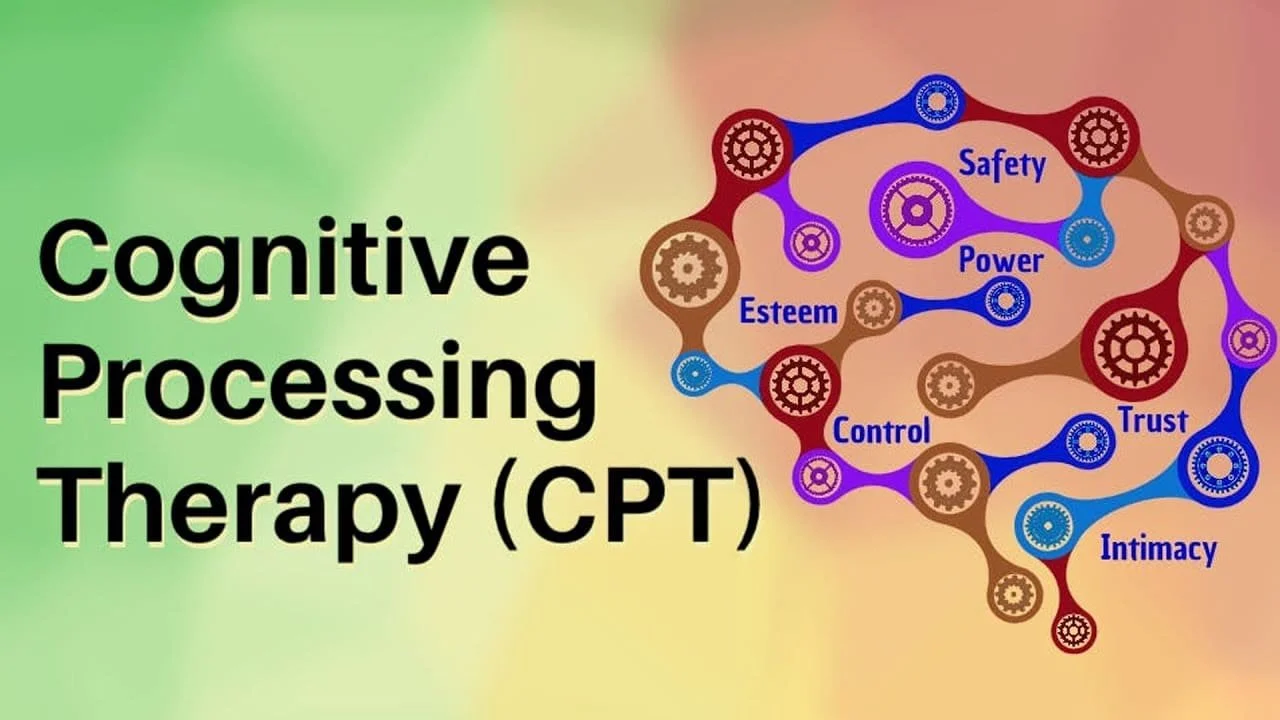
Cognitive Processing Therapy (CPT)
CPT is a trauma-focused therapy that helps individuals process and make sense of traumatic experiences. It supports clients in examining trauma-related beliefs and reducing the emotional impact of memories linked to the trauma.
Common areas supported:
PTSD, motor vehicle accidents, trauma-related guilt or shame, intrusive thoughts, emotional numbness
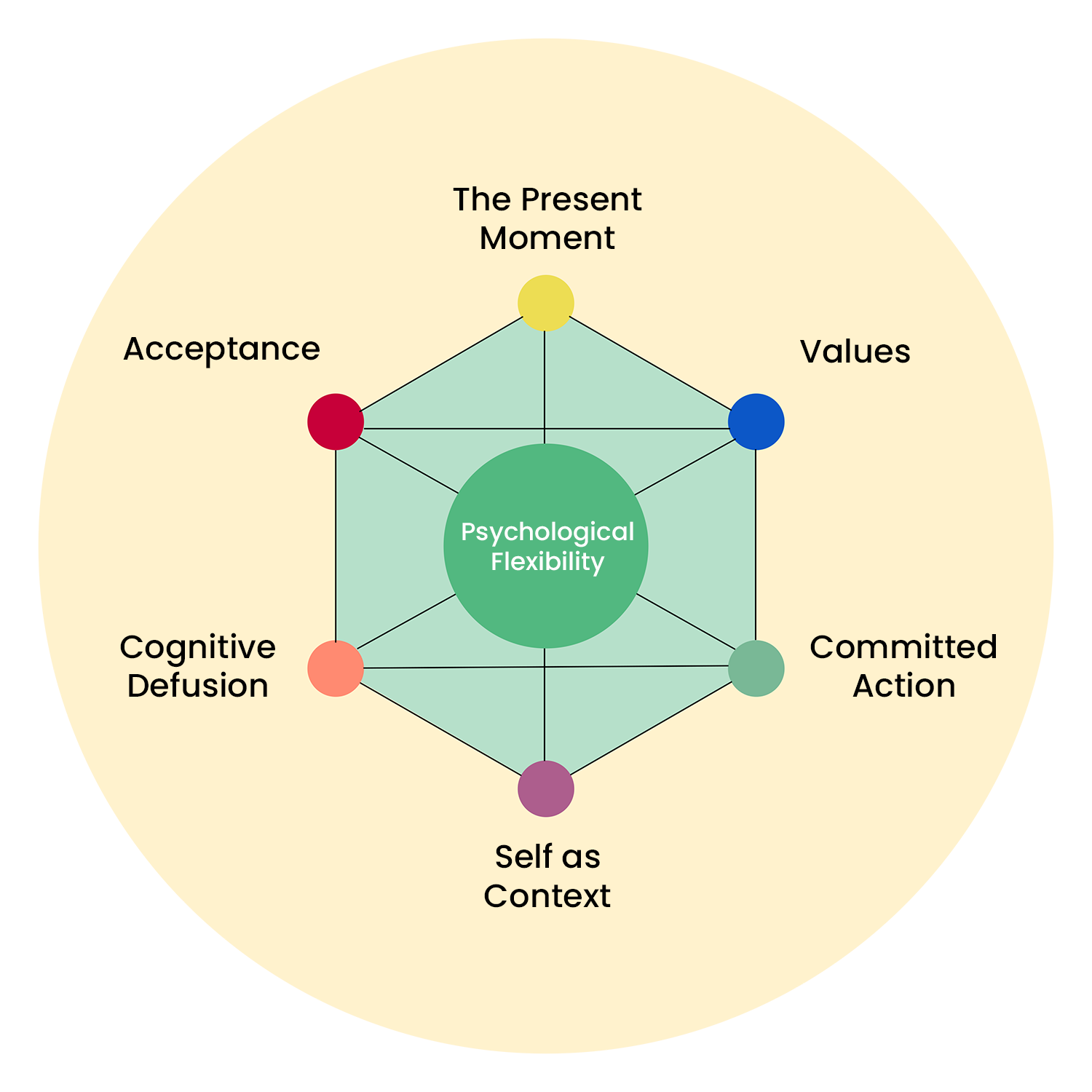
Acceptance and Commitment Therapy (ACT)
ACT helps clients build psychological flexibility by learning to accept difficult thoughts and emotions while committing to actions aligned with personal values. The focus is on creating a meaningful life, even in the presence of discomfort.
Common areas supported:
Anxiety, depression, chronic pain, trauma, life transitions, identity changes after injury or loss
Dialectical Behaviour Therapy (DBT)
DBT combines acceptance and change-based strategies to help individuals regulate emotions and cope with distress. It emphasizes mindfulness, emotional regulation, distress tolerance, and interpersonal effectiveness.
Common areas supported:
Emotional dysregulation, anxiety, mood difficulties, relationship challenges, impulsivity, trauma responses
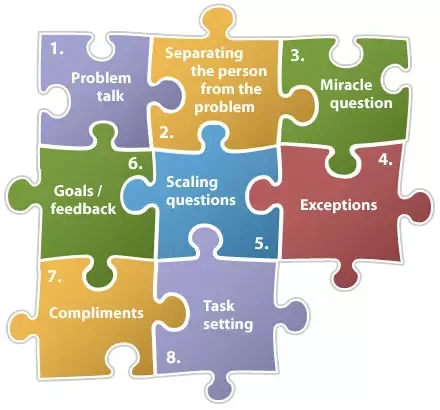
Solution-Focused Therapy (SFT)
Solution-Focused Therapy is a brief, goal-oriented approach that focuses on strengths, resources, and solutions rather than problems. It supports clients in identifying what is already working and building on those successes.
Common areas supported:
Life transitions, stress, motivation, goal-setting, problem-solving, building resilience